2026 Kia Niro Hybrid, PHEV, vs. EV: Explained for Real Life Driving
January 06 2026,
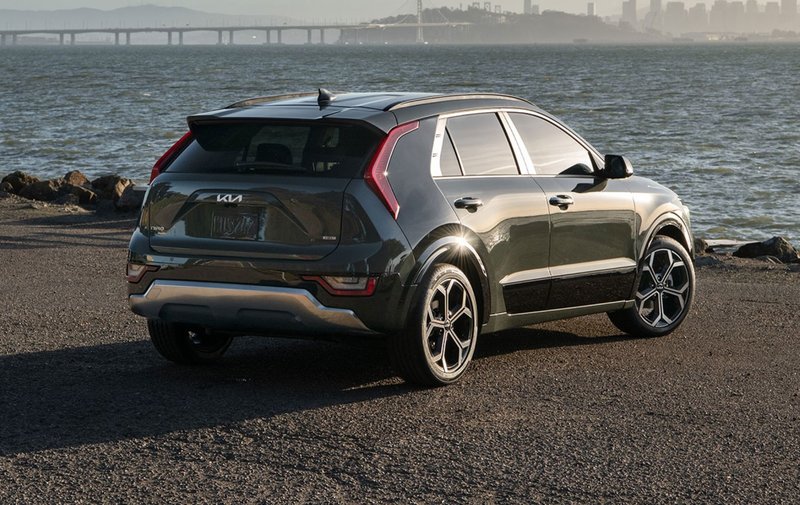
We all want to go green, but Canada’s geography and our winters usually have the final say. The 2026 Kia Niro lineup doesn't force a 'one size fits all' solution on you. Instead, it offers a sliding scale of electrification: the effortless efficiency of the Hybrid, the 'best of both worlds' flexibility of the Plug-in, and the zero-emission power of the full EV. If you’ve been staring at the specs wondering where your money is best spent, you’re in the right place. We’re stripping away the jargon to see how these three siblings handle real-world Canadian roads.
Hybrid Efficiency That Never Needs a Plug

The 2026 Kia Niro Hybrid focuses on fuel savings without changing your routine. It blends a gas engine with an electric motor that recharges itself while driving, which means no charging cables and no planning around outlets. This setup shines for drivers who spend a lot of time commuting, running errands, or logging highway kilometres year-round. Fuel economy stays consistently low even in winter, and pricing typically sits at the most approachable point in the lineup, making it a strong entry into electrified driving without lifestyle adjustments.
Plug-In Flexibility for Short Trips and Long Weekends

The Niro Plug-In Hybrid offers a larger battery that allows short daily drives to happen on electric power alone, while still keeping a gas engine for longer trips. This dual setup is ideal for drivers who can charge at home and want to cut fuel use during the workweek, then head out of town without range anxiety. Incentives and fuel savings often help offset the higher starting price compared to the hybrid.
Fully Electric Confidence With Zero Fuel Stops
The Niro EV runs entirely on electricity, delivering smooth acceleration, quiet driving, and zero fuel costs. With a competitive electric range designed for daily life, it suits drivers who can charge at home or work and want to leave gas stations behind completely. Federal and provincial incentives can significantly reduce ownership costs, making the EV surprisingly competitive despite its higher MSRP.
Charging and Ownership Realities Compared
Charging expectations are where these models truly separate themselves. The hybrid requires none at all, the plug-in hybrid benefits from overnight home charging, and the EV rewards access to Level Two or public fast charging. Maintenance also shifts across the lineup, with fewer moving parts in the EV and reduced brake wear thanks to regenerative systems across all three.
Technology Shared, Powertrains Defined
Every model in the 2026 Kia Niro Hybrid, PHEV, vs. EV family benefits from modern driver-assist systems, intuitive infotainment, and Kia’s strong warranty coverage. What truly defines each option is how it delivers energy to the wheels and how that fits into your daily routine rather than a simple trim decision.
2026 Kia Niro Hybrid vs. PHEV vs. EV Comparison Table
|
Key Feature |
Niro Hybrid |
Niro Plug-In Hybrid |
Niro EV |
|
Primary Power Source |
Gas + self-charging electric |
Gas + plug-in electric |
Fully electric |
|
Charging Required |
No |
Yes for EV driving |
Yes |
|
Electric-Only Driving |
Limited assist |
Short daily trips |
Full-time |
|
Fuel Cost Savings |
Moderate |
High |
Maximum |
|
Best Use Case |
High-km drivers |
Mixed city and travel |
Daily commuting |
Don’t Just Change Your Car, Upgrade Your Lifestyle at Markham Kia
Swing by Markham Kia today to test drive the 2026 Niro lineup and let our experts help you claim the maximum incentives on the hybrid, plug-in, or EV that perfectly matches your Ontario commute.
Learn more about the 2026 Kia Niro Lineup at Kia.ca!
